Transport and Fuel Management in the Mining Industry

Transport and Fuel Management in the Mining Industry

A mining fuel management system from Omnicomm accounts for every litre of diesel at the mine — in haul trucks, excavators, fuel trucks and depot tanks — even in pits without cellular coverage.

  • 45%diesel economy · Fides Mining
  • BRL 3Msaved per year · Fides
  • 4 monthsto ROI · Wenco
  • 1998on the market since

Where mining sites lose fuel

Drains and theft

Fuel taken from machine tanks in remote pits goes unseen.

Fuel truck dispensing

Litres issued do not match litres received by machines.

Idling and refuelling trips

Engines idle, haul trucks wait and drive to fuel bays.

How to track fuel usage on a mine site

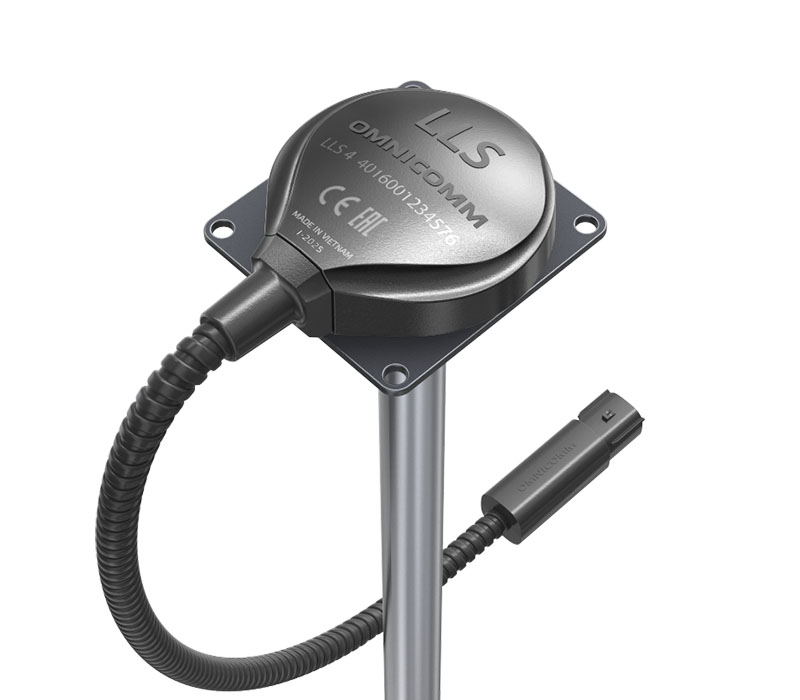
LLS 4

1. LLS 4 in every machine

Rugged sensor: impact-resistant, IP69K, armored cable.

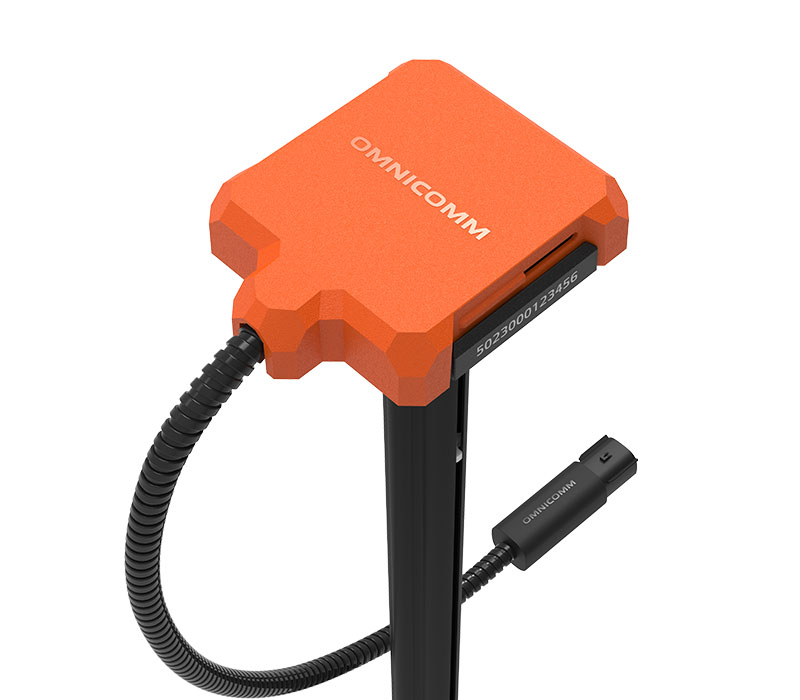
LLS-Ex 5

2. LLS-Ex 5 in tankers and depots

ATEX-certified, lengths up to 6 m.

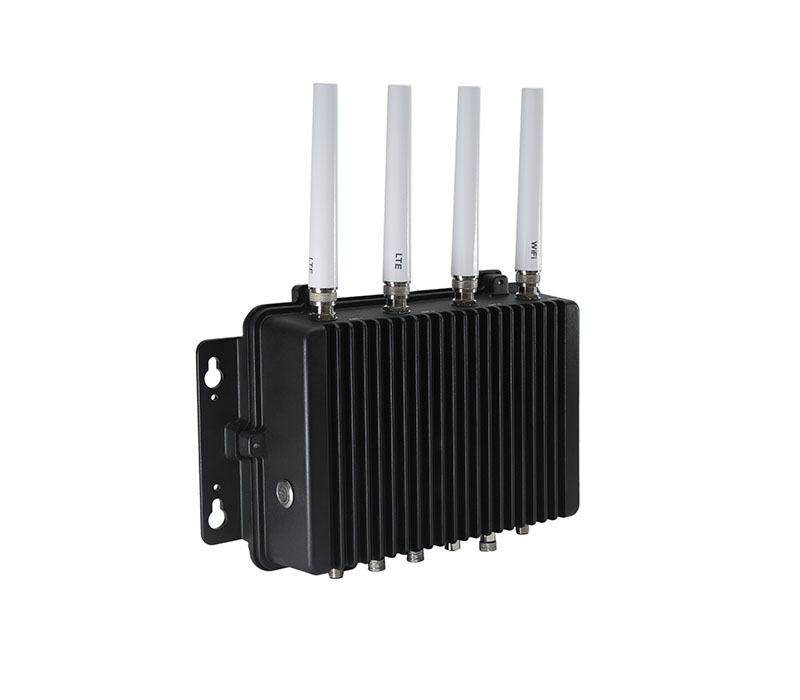
PORT

3. Data from the pit

Profi Wi-Fi stores data; PORT collects it without GSM.

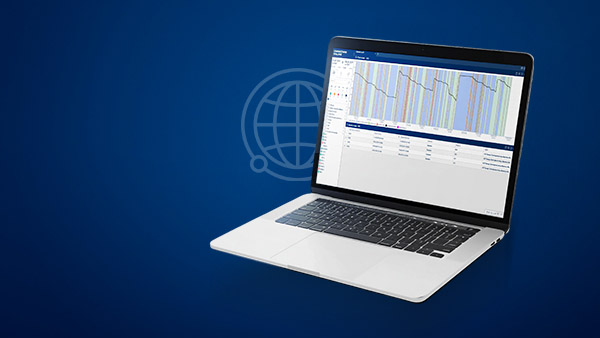
Omnicomm Online fuel consumption monitoring software

4. Omnicomm Online

Fuel balance: depot → fuel truck → machine.

Mining fuel management system vs. manual records

Dipstick and paper logsFactory gauge (CAN)Omnicomm system
Fuel actually in each tank✕approximate✓
Drains: time, place, volume✕✕✓
Fuel truck issue vs. machine intakemanual reconciliation✕✓
Litres per engine hourestimateapproximatemeasured
Accuracydepends on the operatorup to 20% errorbelow 0.5% error

Fuel management in pits without cellular coverage

Sensor works offline

Wired to the tracker, it does not need a network.

Tracker stores data

Profi Wi-Fi keeps events in internal memory.

Upload on contact

Via PORT on fuel or service trucks, or Wi-Fi at the base.

Fides Mining runs 260 vehicles and machines in remote Matupá, Brazil, on its own Wi-Fi network with low-cost satellite internet. How offline monitoring works →

Mining fuel management results

45%

direct diesel economy · Fides Mining, Brazil

Read the case →

~23%

operating savings per month · Fides Mining

Read the case →

40%

fleet usage optimized · Fides Mining

Read the case →

4 months

to ROI · Wenco Dynamic Fuel Dispatch on Omnicomm LLS

Read the case →

Our cases

How much diesel does your mine lose?

Send us your fleet size and monthly fuel spend — we will calculate the payback for free.

Fuel solutions for mining companies

Haul and dump trucks

Fuel consumption control vs. norms →

Excavators, loaders, drill rigs

Engine hours, idle and operating modes →

Fuel trucks

Every litre dispensed on site →

Depots and hazardous zones

Explosion-proof monitoring →

Refuelling and drains

Fuel operations control →

ERP and mine systems

Fuel data in your accounting →

Fuel management systems for the mining industry

A fuel management system for mining measures the fuel in every machine, fuel truck and storage tank, links it to engine hours and location, and flags drains and mismatches. Omnicomm builds it from LLS fuel level sensors, Profi and Profi Wi-Fi GPS trackers and the Omnicomm Online platform, designed for remote sites and harsh conditions.

Read more about mining fuel management

How to reduce fuel theft on mining sites

Capacitive sensors in each tank record every refuelling and drain with time, place and volume, with an error below 0.5%. Omnicomm Online compares fuel issued by fuel trucks and depots with the fuel received by each machine, so false refuelling and drains from tanks become visible. Factory gauges read over the CAN bus have up to 20% error and cannot detect drains reliably.

Effective fuel management for mines without connectivity

Open pits and remote deposits often have no cellular coverage. The fuel sensor is wired to the tracker and works without a network; the Profi Wi-Fi tracker stores data in internal memory and uploads it through Omnicomm PORT installed on fuel or service trucks, or over Wi-Fi at the base. See operation in areas without cellular coverage.

Fuel consumption per engine hour

Haul trucks are measured per kilometre and per engine hour, excavators and drill rigs per engine hour. Heavy machinery operation monitoring adds idle time, operating modes and auxiliary equipment, and fuel consumption control compares actual use with norms.

Hazardous zones and integrations

Fuel trucks and depots use the ATEX-certified LLS-Ex 5 connected through the BIS-MX spark protection unit. Wenco integrated Omnicomm LLS sensors into its Dynamic Fuel Dispatch system for mining fleets. Data can be exported to ERP systems via API. Fleets typically cut fuel costs by 25–35%, and most deployments pay back in 3–6 months.

Mining fuel management FAQ

How does fuel monitoring work at remote sites without reliable internet?

Remote sites without reliable cellular or wired internet are a core OMNICOMM use case. The fuel sensor itself is wired to a tracker via RS-485 / MODBUS and works independently of any network. The connected GPS tracker buffers events locally and uploads them on the next available link, whether that is cellular, Wi-Fi at a depot or fuel station, or a wired connection at base. No fuel data is lost during the offline period.

Mining haul trucks operating in pits with no cellular signal, agricultural tractors crossing fields beyond 4G coverage, forestry machinery deep in remote blocks, and offshore support vessels all share the same operating pattern: hours or days without an internet link, followed by occasional time at a base location. Any GPS tracker with enough onboard storage and a Wi-Fi or cellular uplink can handle this workflow; the choice depends on the buyer's existing fleet platform. OMNICOMM's Profi 3.0 Wi-Fi is one option and is built specifically for this pattern, with internal storage that buffers up to several weeks of detailed event data and automatic upload over Wi-Fi when the vehicle parks at a depot or fuel station hotspot. Third-party trackers that support the LLS protocol can deliver the same offline-then-upload behavior using their own buffer and uplink. Fides Mining in Brazil runs OMNICOMM sensors across a 260-vehicle fleet in remote Matupa using this approach. Agricultural and construction fleets in similar conditions follow the same workflow. For permanent installations on stationary generators or fuel tanks at remote sites, the same pattern applies: the chosen terminal handles offline buffering and periodic upload so a generator's daily fuel consumption is captured even when the site has no cellular service for weeks at a time.

Do fuel level sensors work in areas without cellular coverage?

Yes. The fuel level sensor itself is wired to a GPS tracker or terminal via RS-485 or MODBUS, so it does not depend on a cellular signal to operate. Cellular coverage is only relevant to the connected tracker, which buffers data locally when out of range and uploads it once a network is available again. No fuel data is lost during the gap.

The sensor measures fuel level once per second and outputs that reading on the digital RS-485 / MODBUS interface to whatever terminal is connected: an OMNICOMM tracker or any third-party tracker that supports the LLS protocol. From there, how the offline period is handled is a tracker question, not a sensor question. The terminal stores events in its onboard memory and uploads them on the next available link, whether that link is cellular, Wi-Fi, or a wired connection at the depot. For deployments where vehicles spend long periods out of cellular range (mining haul trucks in pit areas, agricultural tractors across large fields, forestry equipment, offshore vessels), the buyer chooses a tracker with sufficient local storage and the appropriate uplink. See this answer for the full remote-site workflow including how OMNICOMM and partner-supplied trackers handle offline buffering and periodic upload.

Can fuel monitoring really stop fuel theft?

Yes. Fuel theft costs the global transport industry over $1.2 billion every year, and 73% of commercial fleets are hit annually, most of it internal. Precision sensors detect every drain event, even small repeated drains under 5 liters, and trigger instant alerts. Fleets typically eliminate detectable theft within the first 1-2 months of installation.

Fuel theft takes more forms than most operations managers realize, especially on diesel truck and heavy-equipment fleets where the per-tank value of fuel is high. Direct siphoning from the diesel tank is the obvious pattern, but the costlier ones are false refueling (the driver buys 80 liters on the fuel card and only 60 reach the tank), ghost loads (the tanker arrives at the depot reporting full but is partially empty), and fuel card fraud (cards used to fill non-fleet vehicles). A precision fuel monitoring system catches all four because the in-tank sensor reports the actual liters received and the timing of every change. The platform compares fuel card transactions, depot dispenses, and sensor data and flags every mismatch. A municipal fleet of 500 vehicles in Belgrade cut fuel consumption 15 to 40 percent within two months of installing OMNICOMM equipment. Transportes Masa in Colombia identified and eliminated previously invisible theft after switching from CANBUS data to dedicated LLS sensors. The first month after deployment is usually when the largest reductions appear.

Do I need an explosion-proof fuel sensor?

You need an explosion-proof sensor like LLS-Ex 5 if you are monitoring fuel tankers, oil depots, gas stations, chemical plants, mining operations, or any ATEX-zoned hazardous environment. LLS-Ex 5 is ATEX-certified, offers 5,000V galvanic isolation via the BIS-MX spark protection unit, and comes in lengths up to 6 meters, the longest in the OMNICOMM portfolio.

ATEX zone classification splits hazardous areas into three categories based on how often explosive atmospheres are present. Zone 0 is continuous (inside a fuel tank itself), Zone 1 is occasional (around tank vents, fuel transfer points), and Zone 2 is rare (general site areas where a leak might occur). Equipment installed in any of these zones must carry matching certification, and using a non-rated sensor is a safety and insurance violation, not just a regulatory one. LLS-Ex 5 is rated for Zones 0, 1, and 2, and must be connected through the BIS-MX spark protection unit, which provides the 5,000V galvanic isolation that limits energy in the sensor circuit to non-ignition levels. LLS-Ex 5 is available in 1500, 2000, 2500, 3000, 4000, 5000, and 6000 mm lengths for global markets, covering everything from medium tankers to large depot storage. The sensor itself carries a lifetime warranty, and the BIS-MX carries 3 years.

Can a fuel monitoring system track stationary fuel tanks, generators, and depots?

Yes. OMNICOMM equips far more than vehicles. Stationary applications include gas stations, fuel depots, generator tanks for telecom towers and data centers, pumping stations, boilers, and tank farms. ATEX-certified LLS-Ex 5 sensors paired with the BIS-MX spark protection unit cover hazardous zones up to 6 meters deep. ICON Display and LLD Indicator give on-site readouts for operators.

Telecom operators in emerging markets manage thousands of tower sites powered by diesel generators, and fuel theft from those generators is a major cost line; OMNICOMM sensors on the generator day-tank or main reservoir give the operator real-time levels and theft alerts. Data centers run backup diesel generators that must have guaranteed fuel availability; precision sensors prevent the silent drift toward empty that paper-based monitoring cannot catch. Gas stations and depots use LLS-Ex 5 sensors in the ATEX-rated underground tanks to track inventory, reconcile deliveries against actual received volume, and detect leaks. For agricultural and construction operations, the on-site fuel tanker that distributes fuel to equipment is itself monitored to ensure that what the depot reports dispensing matches what the receiving equipment reports getting. Silver Spark Apparel in India deployed OMNICOMM sensors on factory generators specifically to prevent production-line downtime, with avoided losses calculated at around $30,000 per hour of prevented downtime.

How much fuel can a fleet save with a fuel monitoring system?

Fleets typically reduce fuel costs by 25-35% within the first months, and up to 50% in some industries. Documented results include 45% fuel economy at Fides Mining (Brazil), 32% savings at SBI International (Tanzania), 24% at ARSS Infrastructure in India (equal to $130,000 in monthly savings), and 12% in the first month at NQC Mexico (a $10,000 monthly saving with payback in under 3 months).

Savings stack on top of each other and the mix depends on how the fleet currently leaks fuel. Theft and fraud prevention is the largest one-time gain in month one after install: Belgrade Municipal's 500-vehicle fleet cut fuel consumption 15 to 40 percent within two months, with theft prevention as the dominant driver in the first weeks. Idle-time reduction comes next, as the platform surfaces vehicles burning fuel while parked and managers retrain the drivers responsible. Route and consumption optimization adds another layer by comparing each driver's L per 100 km against fleet norms and flagging the outliers. Maintenance-driven savings round out the picture, since catching engine inefficiencies early prevents fuel-burn drift. To estimate your own savings, take your current monthly fuel spend, run a conservative 15 percent reduction (idle and consumption alone) and a realistic 30 percent (theft prevention included), and compare against the system cost over 12 months. Most fleets break even well before year-end.

All questions →

BECOME OUR PARTNER OR CLIENT