Omnicomm Solutions for different Industries

Omnicomm Solutions for different Industries

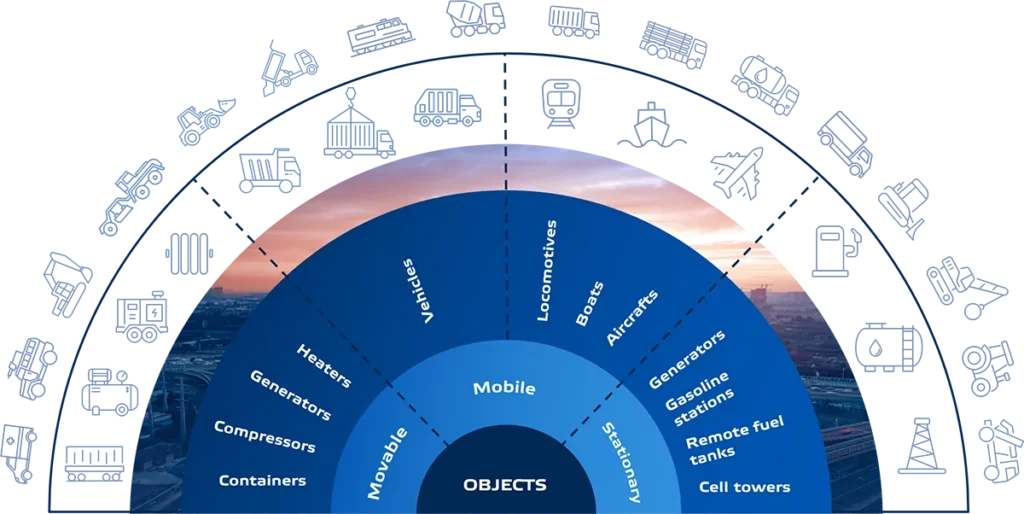
Omnicomm solutions are widely used in various industries that rely on fuel-consuming assets. These include transportation and logistics companies, construction, agriculture, mining, and many others. Each of these sectors operates different types of assets under unique conditions, with varying monitoring requirements and operational challenges. Regardless of the industry, Omnicomm solutions provide accurate monitoring, cost control, and improved environmental performance.

Omnicomm Solutions for different Industries

Implementation of Omnicomm Solutions

Omnicomm follows a structured approach to implementing fuel efficiency management systems, ensuring a smooth and effective deployment. Implementing such a system is not just about installing new software or purchasing equipment – it is a comprehensive project that helps businesses streamline key processes, identify inefficiencies, and enhance overall performance. The larger the company, the more employees and business operations are affected by the system’s implementation.

For businesses that seek to maximize the potential of their fuel management system—not just adopt it as a modern or regulatory requirement – a step-by-step approach is necessary:

1
Defining Goals
Setting clear objectives for system implementation
2
Audit
Analyzing current business processes and diagnosing existing challenges
3
Project Development
Creating a detailed implementation plan
4
Specialist Training
Educating staff and preparing them for system operation
5
Installation and Configuration
Install equipment and software, creating integrations, configuring the system to meet specific business needs
6
Testing
Verifying system performance using test data
7
Testing with Real Data
Utilizing actual company data for final adjustments
8
Commissioning
Fully launching the system into operation
9
Project Completion
Finalizing all work and handing over the system for regular use
10
Ongoing Support
Providing continuous system maintenance and optimization

To ensure a successful implementation, Omnicomm’s partners receive comprehensive support, including Presale services, assistance during deployment, and post-implementation support from the Support and Sales teams. These efforts help businesses achieve maximum efficiency and long-term benefits from the system. 

Various Industries

Each industry has unique requirements that influence the selection and implementation of fuel management solutions. 

  • Transportation and Logistics require precise fuel consumption calculations (L/100 km) and route optimization. 
  • Mining and Construction focus on improving the efficiency of heavy machinery. 
  • Agriculture demands solutions that ensure accurate tracking of field operations. 

Omnicomm tailors its solutions to meet these industry-specific needs, ensuring optimal performance and cost savings. 

WHAT’S IMPORTANT

  • Fuel consumption – L/h
  • GeoLocation
  • Load and Payload Monitoring
  • Engine Hours and Utilization
  • Fuelling and draining
  • Idle times
  • Monitoring in remote locations and extreme weather conditions

WHAT’S IMPORTANT

  • Fuel consumption and movement – L/km
  • Route optimization
  • Fuelling and draining
  • Speed control
  • Idle times
  • Downtime and Maintenance Needs
  • Driver Behavior Analysis

RAILROADS

SHIPS

WHAT’S IMPORTANT

  • ATEX certification
  • Fuel balance control
  • Fuel Dispensing Accuracy
  • Real-time fuel volume control
  • Loss Prevention

PETROLEUM STATIONS

DIESEL STORAGE

PETROLEUM DISTRIBUTION

WHAT’S IMPORTANT

  • Accurate genset monitoring is crucial in many scenarios
  • Inefficient fuel distribution
  • Fuel theft
  • Refrigeration equipment operation interruptions
  • Emergency solution for power outages
  • Prevention of turn down for genset

DATA CENTERS

TELECOM

MANUFACTURING

WAREHOUSES

Frequently asked questions

Which industries does OMNICOMM serve?

OMNICOMM serves 30+ industries with dedicated vertical solutions for logistics and transportation, construction, mining, oil and gas, agriculture, and maritime. Beyond those primary verticals, OMNICOMM equipment monitors generators in data centers and telecom towers, fuel storage at gas stations, public transit, racing, forestry, waste management, and government and military fleets in 110+ countries.

The published case studies span continents and industries: construction (NQC Mexico, ARSS Infrastructure India saving $130,000 per month, SBI Tanzania), mining (Fides in Brazil saving BRL 3 million per year), logistics (Dhara India saving $20,300 per month, Transportes Masa Colombia), agriculture (Sri Ramajayam Borewells India saving 150,000 INR per month), light industry (Silver Spark India avoiding $30,000 per hour of generator downtime), food and beverage logistics (ABInBev Africa, an award-winning project), and maritime (Maersk among the deployed references). Equipment shipped to Tanzanian highways, Brazilian mines, Indian quarries, and offshore vessels all runs the same hardware and protocol, which is why integrations with most major telematics platforms are already proven rather than experimental.

How much fuel can a fleet save with a fuel monitoring system?

Fleets typically reduce fuel costs by 25-35% within the first months, and up to 50% in some industries. Documented results include 45% fuel economy at Fides Mining (Brazil), 32% savings at SBI International (Tanzania), 24% at ARSS Infrastructure in India (equal to $130,000 in monthly savings), and 12% in the first month at NQC Mexico (a $10,000 monthly saving with payback in under 3 months).

Savings stack on top of each other and the mix depends on how the fleet currently leaks fuel. Theft and fraud prevention is the largest one-time gain in month one after install: Belgrade Municipal's 500-vehicle fleet cut fuel consumption 15 to 40 percent within two months, with theft prevention as the dominant driver in the first weeks. Idle-time reduction comes next, as the platform surfaces vehicles burning fuel while parked and managers retrain the drivers responsible. Route and consumption optimization adds another layer by comparing each driver's L per 100 km against fleet norms and flagging the outliers. Maintenance-driven savings round out the picture, since catching engine inefficiencies early prevents fuel-burn drift. To estimate your own savings, take your current monthly fuel spend, run a conservative 15 percent reduction (idle and consumption alone) and a realistic 30 percent (theft prevention included), and compare against the system cost over 12 months. Most fleets break even well before year-end.

All questions →

BECOME OUR PARTNER OR CLIENT