GPS-Trackers

The use of professional GPS-tracking equipment for heavy machinery is a critical component in fleet management across various industries. In demanding operational conditions such as construction, agriculture, rail transport, and mining, it is essential to ensure reliable performance even in the most extreme environments. Omnicomm GPS-trackers are designed to withstand heavy loads, high vibration levels, temperature fluctuations, and provide exceptional protection against dust and moisture.

Our GPS-trackers are engineered to meet the electrical standards of heavy machinery, capable of operating across a wide range of current and voltage variations. Additionally, Omnicomm GPS-trackers support connectivity with additional equipment and retain data even during prolonged network disruptions. This is especially important for machinery operating in remote areas where constant network availability is challenging.

Product Line

Omnicomm offers multiple GPS-tracker models designed for different applications and operational conditions. Each model features unique characteristics tailored to specific types of machinery and tasks.

GPS-Trackers

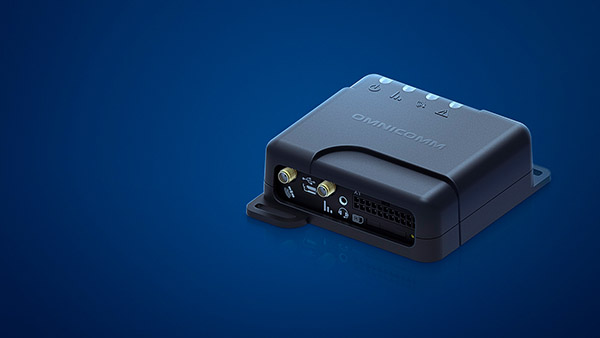
Optim

A universal GPS-tracker for monitoring and navigation, ideal for freight transport

Omnicomm GPS trackers

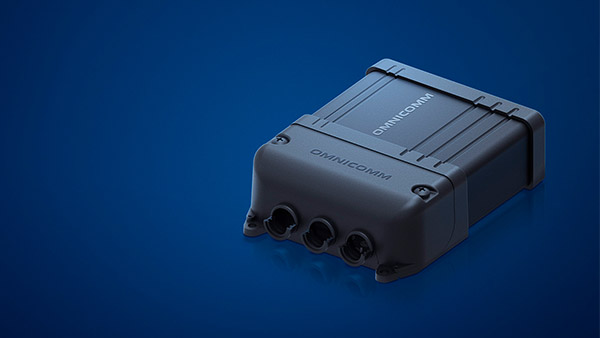
Profi

An advanced model designed for applications requiring high reliability and precision, perfect for heavy machinery and fuel tankers

GPS-Trackers

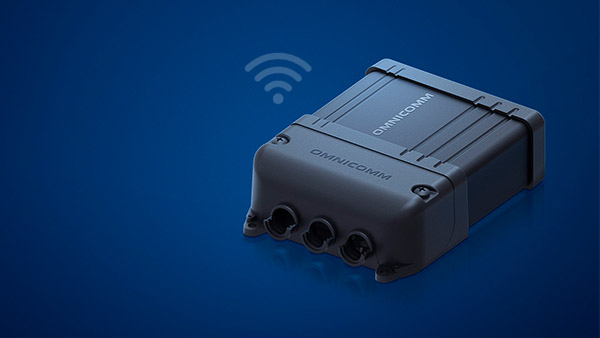
Profi Wi-Fi

A professional GPS-tracker with Wi-Fi connectivity, making it an ideal choice for vehicles operating in areas without cellular coverage

These models are suitable for a wide range of operating conditions and can be integrated into projects with any monitoring and control requirements.

Frequently asked questions

What are OMNICOMM Optim and Profi GPS trackers used for?

Optim 3.0 is the reliable freight-transport tracker. It supports GPRS and SMS, integrates easily with LLS sensors, and is rated IP52. Profi 3.0 is built for extreme conditions, with wide voltage tolerance, heavy vibration resistance, IP54, used in mining, construction, and fuel tankers. Profi 3.0 Wi-Fi adds local-network data transfer for sites with no cellular coverage. All trackers carry a 3-year warranty.

Optim 3.0 is the right choice for delivery vans, light commercial diesel trucks, and freight fleets operating in areas with stable cellular coverage. It is the lower-cost tracker in the lineup and integrates with standard fleet management workflows. Profi 3.0 steps up to handle the abuse heavy diesel machinery delivers daily: temperature extremes from minus 40 to plus 85 Celsius, voltage spikes from auxiliary equipment, vibration from off-road operation, and dust ingress from quarries and construction sites. It is the recommended tracker for diesel excavators, haul trucks, drilling rigs, cranes, and tankers. Profi 3.0 Wi-Fi adds a critical capability for remote operations: when the vehicle returns to a Wi-Fi hotspot at the depot or worksite, it offloads buffered data automatically. This is the standard for mining fleets in remote areas, agricultural operations across large fields, and any site where cellular service is unreliable or expensive. All three trackers speak the OMNICOMM LLS protocol over RS-485, which lets partners pair them with OMNICOMM sensors or mix and match with third-party hardware.

How does a fuel level sensor connect to a GPS tracker?

A fuel level sensor connects to a GPS tracker via an RS-232 or RS-485 digital interface, or via an analog voltage interface for older trackers. The OMNICOMM LLS protocol is an open industry standard supported by virtually every modern fleet telematics tracker, so most installations are plug-and-play. The tracker pairs the fuel reading with GPS location and uploads both to the fleet management platform.

The wiring is simple. The sensor has a four-wire cable: two for power (the tracker supplies 7 to 75 volts) and two for data on the RS-485 bus. The installer connects these to the tracker's matching pins per the tracker's wiring diagram. If a single tracker handles multiple tanks (twin-tank trucks, multi-tank tankers), up to four sensors can be daisy-chained on the same RS-485 bus, each with a unique address. For trackers that only accept analog input, the LLS-AF 4 model outputs a frequency-converted analog signal that bridges the gap. Once wiring is complete, the tracker is configured to recognize the sensor address and assign it to the correct tank, and CalibrateX runs the automated calibration to map sensor readings to actual liters. The whole wiring and configuration sequence for a single-tank vehicle takes a couple of hours, and the LLS protocol means the same workflow applies regardless of the tracker brand.

Do fuel level sensors work in areas without cellular coverage?

Yes. The fuel level sensor itself is wired to a GPS tracker or terminal via RS-485 or MODBUS, so it does not depend on a cellular signal to operate. Cellular coverage is only relevant to the connected tracker, which buffers data locally when out of range and uploads it once a network is available again. No fuel data is lost during the gap.

The sensor measures fuel level once per second and outputs that reading on the digital RS-485 / MODBUS interface to whatever terminal is connected: an OMNICOMM tracker or any third-party tracker that supports the LLS protocol. From there, how the offline period is handled is a tracker question, not a sensor question. The terminal stores events in its onboard memory and uploads them on the next available link, whether that link is cellular, Wi-Fi, or a wired connection at the depot. For deployments where vehicles spend long periods out of cellular range (mining haul trucks in pit areas, agricultural tractors across large fields, forestry equipment, offshore vessels), the buyer chooses a tracker with sufficient local storage and the appropriate uplink. See this answer for the full remote-site workflow including how OMNICOMM and partner-supplied trackers handle offline buffering and periodic upload.

All questions →

BECOME OUR PARTNER OR CLIENT