Fuel Tank Monitoring

Omnicomm Solutions for different Industries

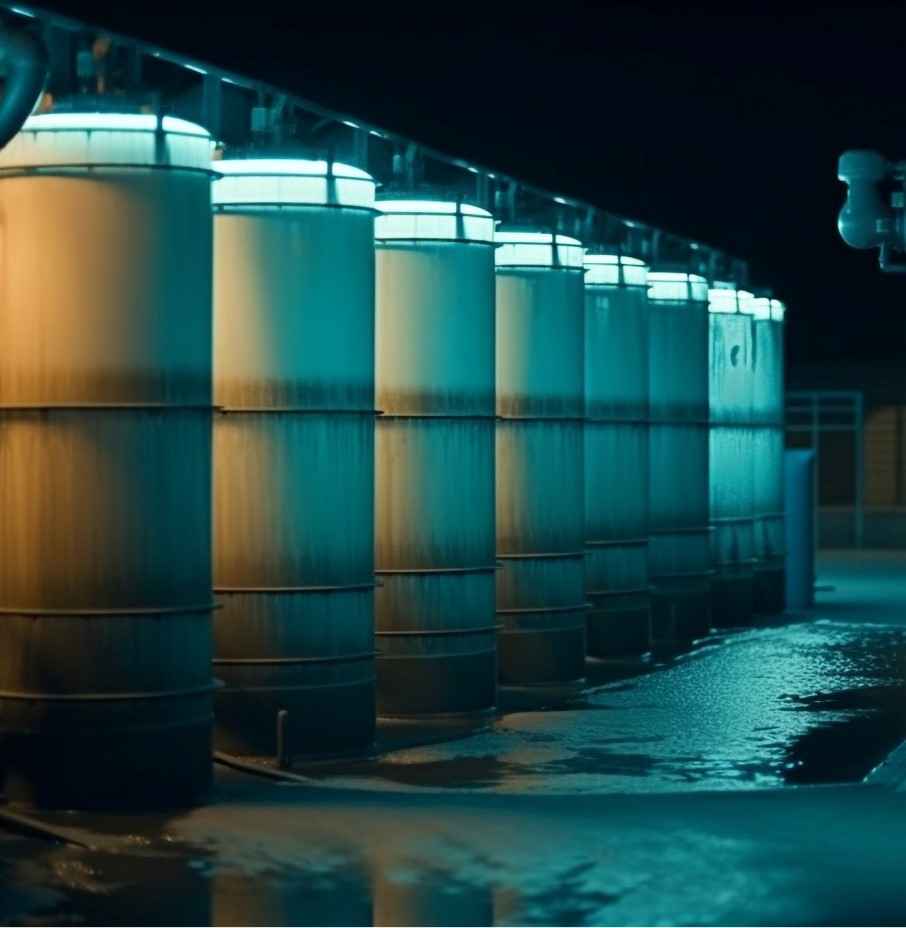
Omnicomm fuel tank monitoring shows the fuel level and volume in your storage tanks, depots, fuel stations and generator tanks in real time — and alerts you to every delivery, drain and low level.

  • < 0.5%sensor measurement error
  • 6 mlongest tank sensor, LLS-Ex 5
  • ATEXzones 0, 1 and 2
  • 2,000+generators monitored · Galooli

What a fuel tank monitoring system controls

Level and volume, live

Litres in every tank, from any browser or phone.

Deliveries vs received

Each delivery checked against the volume that actually arrived.

Drains and theft

Instant alert when fuel leaves the tank without a reason.

Low level

Warning before a tank or generator runs dry.

Where remote fuel tank monitoring is used

Fuel depots and tank farms

Inventory and deliveries across all tanks.

Fuel stations

Explosion-proof sensors for underground ATEX tanks.

Diesel generators

Telecom towers, data centres, factories.

Pumping stations and boilers

Fuel stock at sites nobody visits daily.

How fuel tank level monitoring works

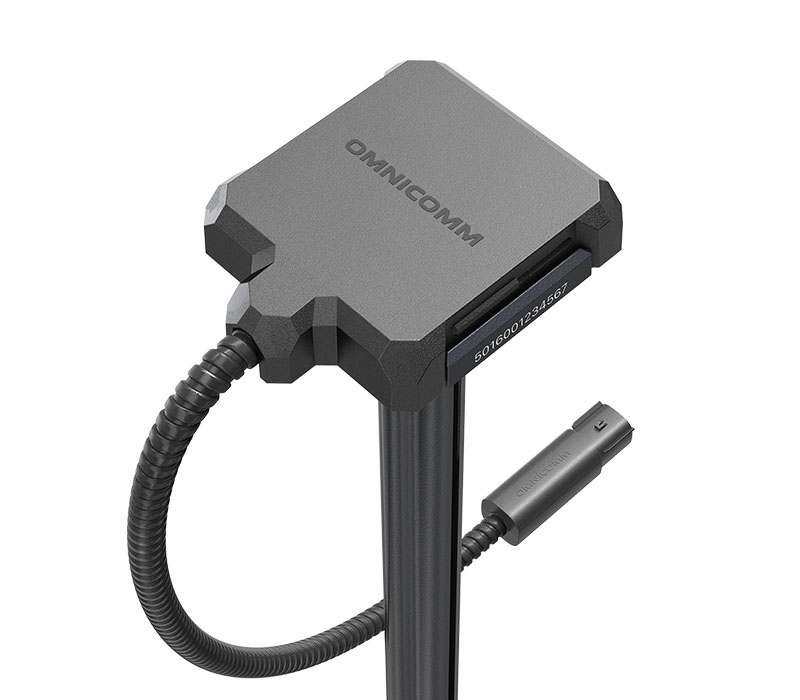
Omnicomm LLS 5 capacitive fuel level sensor

1. Sensor in the tank

LLS 5 or explosion-proof LLS-Ex 5, cut to the tank depth.

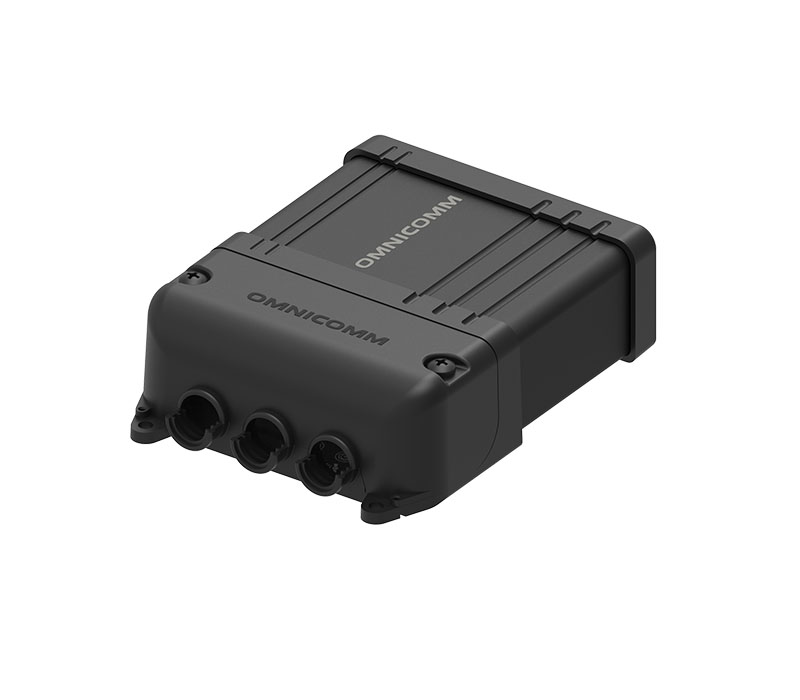
Omnicomm Profi GPS tracker for fuel consumption monitoring

2. Tracker or terminal

Sends readings online; buffers them when the link drops.

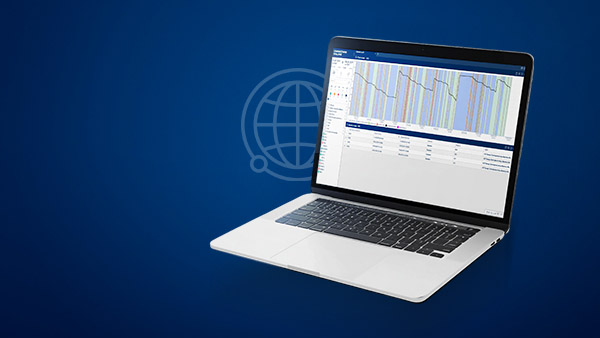
Omnicomm Online fuel consumption monitoring software

3. Omnicomm Online

Levels, deliveries, drains, alerts and reports.

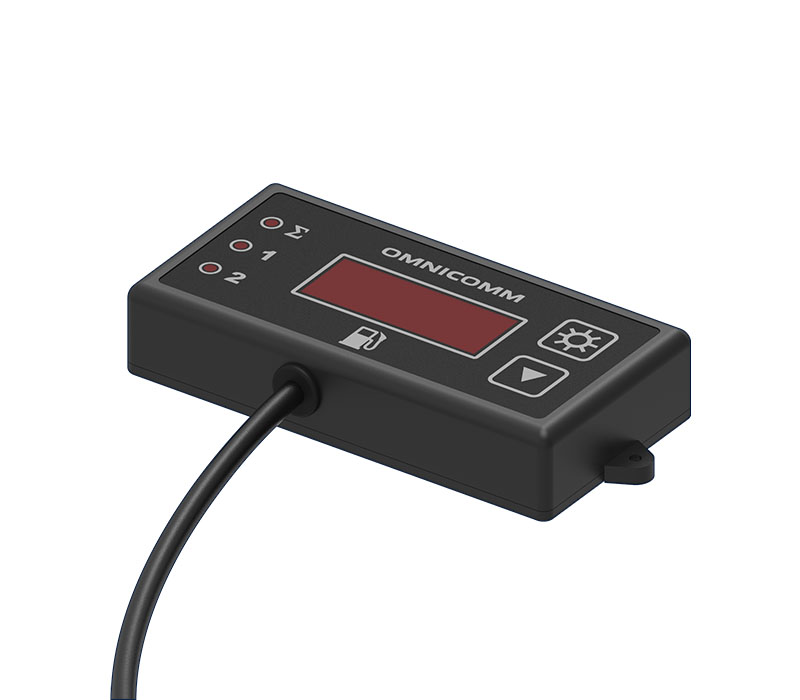
LLD

4. On-site display

LLD indicator shows the volume to operators.

Fuel tank monitor vs manual dipstick readings

Dipstick and paper logOmnicomm fuel tank monitoring
Tank level visible remotely✕✓
Every delivery with time and volumemanual entry✓
Delivered vs received checkby hand, laterautomatic
Drains and theft detected✕✓ instant alert
Low-level warning✕✓
Data in ERP and accountingre-typed✓ REST API

Which fuel tank sensor to choose

LLS 5

Storage tanks and generators: IP69K, −40…+80 °C, self-adjusts to the fuel.

LLS-Ex 5

ATEX zones 0, 1 and 2: fuel stations, depots, tank farms. Up to 6 m, via BIS-MX.

How much fuel do your tanks really hold?

Tell us how many tanks and generators you run — we will propose the equipment for free.

Diesel generator and fuel storage monitoring results

2,000+

diesel generators at telecom towers · Galooli, Uganda

Read the case →

34%

lower fuel cost in 2 years · Galooli

Read the case →

$30,000

saved per hour of downtime prevented · Silver Spark gensets

Read the case →

150

petroleum stations with Omnicomm sensors · Natav, Israel

Read the case →

Related fuel control solutions

Fuel tanker monitoring

Tank trucks that deliver and dispense fuel.

Control of explosion-proof facilities

ATEX equipment for hazardous areas.

Fuel operations control

Refuelling, drain and theft control for the fleet.

Fuel tank monitoring system for storage tanks, depots and generators

A fuel tank monitoring system measures the fuel in a stationary tank continuously and sends the data online, so you know the volume in every tank without a site visit. Omnicomm combines LLS capacitive fuel level sensors, a tracker or terminal and the Omnicomm Online platform to record each delivery, consumption period and drain with time and volume.

Read more about fuel tank monitoring

Why stationary tanks need monitoring

Fuel in storage tanks, depots and generator tanks is rarely checked more than once a day, and often only with a dipstick. Deliveries are accepted on paper, small drains go unnoticed and a generator can run dry at the worst moment. Remote fuel tank monitoring replaces these spot checks with a continuous record of the level and volume in each tank.

How the level becomes litres

The capacitive sensor measures the fuel level once per second with less than 0.5% error. Each tank is calibrated, so level readings are converted into litres even in tanks of irregular shape. Sensors are cut to the depth of the tank on site, and FuelScan technology keeps the readings stable when the fuel supplier or fuel composition changes.

Fuel stations, depots and hazardous areas

The inside of a fuel tank is an ATEX zone 0. For fuel stations, depots and tank farms, the ATEX-certified LLS-Ex 5 sensor covers zones 0, 1 and 2 in lengths up to 6 m and is connected only through the BIS-MX spark protection unit.

Diesel generator tank monitoring

Telecom towers, data centres and factories rely on diesel generators. Sensors on the day tank or main reservoir give real-time levels, low-fuel warnings and theft alerts: Galooli monitors more than 2,000 tower generators this way, and Silver Spark keeps its factory gensets ready for every power outage.

Sites without stable connection

The sensor is wired to the tracker and works without a network. The tracker stores the data while the link is down and uploads it when the connection returns, so no readings are lost at remote sites.

Reports and integration

Omnicomm Online shows levels, deliveries and drains for all tanks, sends alerts by e-mail or SMS and exports reports to PDF and Excel. Tank data can be passed to ERP and accounting systems through the REST API.

Fuel tank monitoring FAQ

Can a fuel monitoring system track stationary fuel tanks, generators, and depots?

Yes. OMNICOMM equips far more than vehicles. Stationary applications include gas stations, fuel depots, generator tanks for telecom towers and data centers, pumping stations, boilers, and tank farms. ATEX-certified LLS-Ex 5 sensors paired with the BIS-MX spark protection unit cover hazardous zones up to 6 meters deep. ICON Display and LLD Indicator give on-site readouts for operators.

Telecom operators in emerging markets manage thousands of tower sites powered by diesel generators, and fuel theft from those generators is a major cost line; OMNICOMM sensors on the generator day-tank or main reservoir give the operator real-time levels and theft alerts. Data centers run backup diesel generators that must have guaranteed fuel availability; precision sensors prevent the silent drift toward empty that paper-based monitoring cannot catch. Gas stations and depots use LLS-Ex 5 sensors in the ATEX-rated underground tanks to track inventory, reconcile deliveries against actual received volume, and detect leaks. For agricultural and construction operations, the on-site fuel tanker that distributes fuel to equipment is itself monitored to ensure that what the depot reports dispensing matches what the receiving equipment reports getting. Silver Spark Apparel in India deployed OMNICOMM sensors on factory generators specifically to prevent production-line downtime, with avoided losses calculated at around $30,000 per hour of prevented downtime.

Do I need an explosion-proof fuel sensor?

You need an explosion-proof sensor like LLS-Ex 5 if you are monitoring fuel tankers, oil depots, gas stations, chemical plants, mining operations, or any ATEX-zoned hazardous environment. LLS-Ex 5 is ATEX-certified, offers 5,000V galvanic isolation via the BIS-MX spark protection unit, and comes in lengths up to 6 meters, the longest in the OMNICOMM portfolio.

ATEX zone classification splits hazardous areas into three categories based on how often explosive atmospheres are present. Zone 0 is continuous (inside a fuel tank itself), Zone 1 is occasional (around tank vents, fuel transfer points), and Zone 2 is rare (general site areas where a leak might occur). Equipment installed in any of these zones must carry matching certification, and using a non-rated sensor is a safety and insurance violation, not just a regulatory one. LLS-Ex 5 is rated for Zones 0, 1, and 2, and must be connected through the BIS-MX spark protection unit, which provides the 5,000V galvanic isolation that limits energy in the sensor circuit to non-ignition levels. LLS-Ex 5 is available in 1500, 2000, 2500, 3000, 4000, 5000, and 6000 mm lengths for global markets, covering everything from medium tankers to large depot storage. The sensor itself carries a lifetime warranty, and the BIS-MX carries 3 years.

What is tank calibration and why does it matter for fuel accuracy?

Tank calibration maps sensor readings to actual fuel volume in non-cylindrical tanks, where one centimeter of fuel level is not one liter of fuel. Without proper calibration even a perfectly accurate sensor reports wrong volumes. Manual calibration is the dominant labor cost in a deployment, typically running about 4 hours per tank against just 40 minutes for the sensor install itself. OMNICOMM CalibrateX eliminates the manual calibration step, cutting total installation time by roughly 70 percent.

Most fuel tanks on commercial vehicles are irregular shapes designed to fit chassis constraints: rectangular with cut corners, D-shaped, saddle-shaped over rear axles, or split twin tanks connected by a balance line. In an irregular tank, the relationship between fuel level (measured by the sensor) and fuel volume (what you actually care about) is non-linear. You need a calibration table mapping every sensor reading to its corresponding volume in liters. Manual calibration involves emptying the tank, then pumping in known increments of fuel (typically 20 or 50 liters at a time) while recording the sensor reading at each step. For a 600-liter tank, that runs around 4 hours including drain and refill, doubling for twin-tank trucks. Across a 100-vehicle fleet, manual calibration alone can consume around 50 installer-days. CalibrateX replaces the manual step with software-driven measurement and pattern recognition, cutting total installation labor by about 70 percent. For partners running large rollouts, this turns calibration from a bottleneck into a routine step, and it is the reason CalibrateX is positioned as a key tool for the installer network.

How does fuel monitoring work at remote sites without reliable internet?

Remote sites without reliable cellular or wired internet are a core OMNICOMM use case. The fuel sensor itself is wired to a tracker via RS-485 / MODBUS and works independently of any network. The connected GPS tracker buffers events locally and uploads them on the next available link, whether that is cellular, Wi-Fi at a depot or fuel station, or a wired connection at base. No fuel data is lost during the offline period.

Mining haul trucks operating in pits with no cellular signal, agricultural tractors crossing fields beyond 4G coverage, forestry machinery deep in remote blocks, and offshore support vessels all share the same operating pattern: hours or days without an internet link, followed by occasional time at a base location. Any GPS tracker with enough onboard storage and a Wi-Fi or cellular uplink can handle this workflow; the choice depends on the buyer's existing fleet platform. OMNICOMM's Profi 3.0 Wi-Fi is one option and is built specifically for this pattern, with internal storage that buffers up to several weeks of detailed event data and automatic upload over Wi-Fi when the vehicle parks at a depot or fuel station hotspot. Third-party trackers that support the LLS protocol can deliver the same offline-then-upload behavior using their own buffer and uplink. Fides Mining in Brazil runs OMNICOMM sensors across a 260-vehicle fleet in remote Matupa using this approach. Agricultural and construction fleets in similar conditions follow the same workflow. For permanent installations on stationary generators or fuel tanks at remote sites, the same pattern applies: the chosen terminal handles offline buffering and periodic upload so a generator's daily fuel consumption is captured even when the site has no cellular service for weeks at a time.

Can I cut a fuel level sensor to fit my tank?

Yes. OMNICOMM LLS fuel level sensors are designed to be cut in the field to match the depth of the tank. Measure the tank depth, mark the sensor at the right length, cut with a hacksaw following the installation manual, and the sensor automatically adapts to the new length during commissioning. No factory recalibration is required, which is what makes the sensor practical to install in any tank.

This is one of the design choices that separates OMNICOMM LLS sensors from aircraft-style precision sensors that have to be ordered to exact length specifications. In real-world fleet installations, tank depths vary across vehicle models and even across vehicles of the same model after retrofits, so a field-adjustable design is what makes large rollouts realistic. The installer measures from the mounting flange to the bottom of the tank, marks the sensor a few centimeters above the bottom so it does not touch the tank under flex, and cuts the probe with a standard hacksaw. The sensor's internal electronics detect the new physical length during the first calibration cycle and adjust the measurement curve accordingly. The detailed step-by-step procedure is in the LLS installation manual that ships with every sensor and is available from the partner network or via the contact form.

All questions →

BECOME OUR PARTNER OR CLIENT